
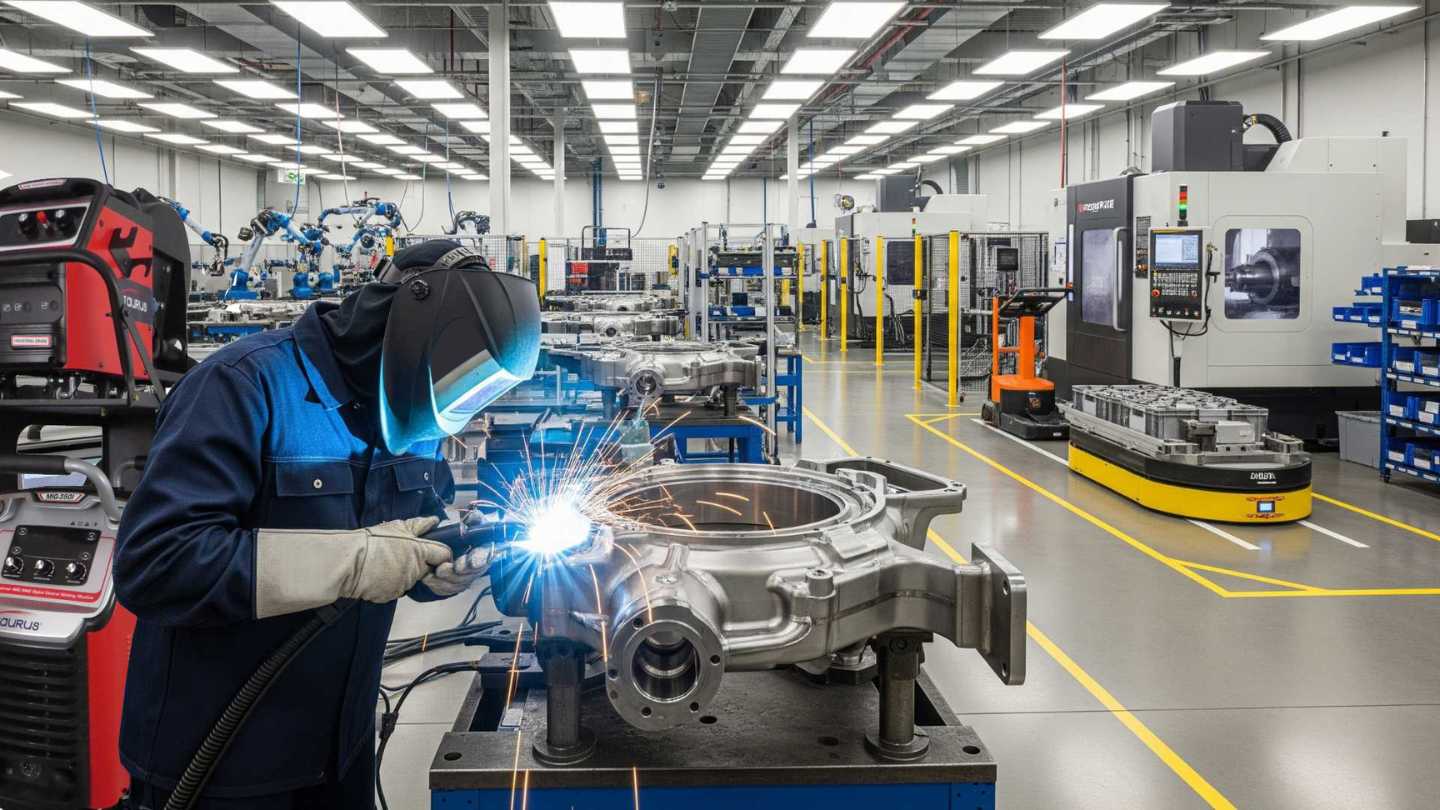
In the world of manufacturing and fabrication, the difference between a good product and a great one often comes down to the quality of the welds. It’s the silent hero that holds everything together, from massive structural beams to intricate machine parts. For any professional, whether you’re a seasoned veteran or a newcomer to the industry, choosing the right equipment is paramount. While hobbyist welders have their place, when it comes to serious production, industrial-grade welding machines aren’t just an option; they’re a necessity.
So, what exactly sets an industrial-grade machine apart from its consumer-level counterparts? It boils down to a few key areas: durability, performance, and precision. These aren’t just features on a spec sheet; they’re the core components that ensure your operation is efficient, reliable, and profitable.
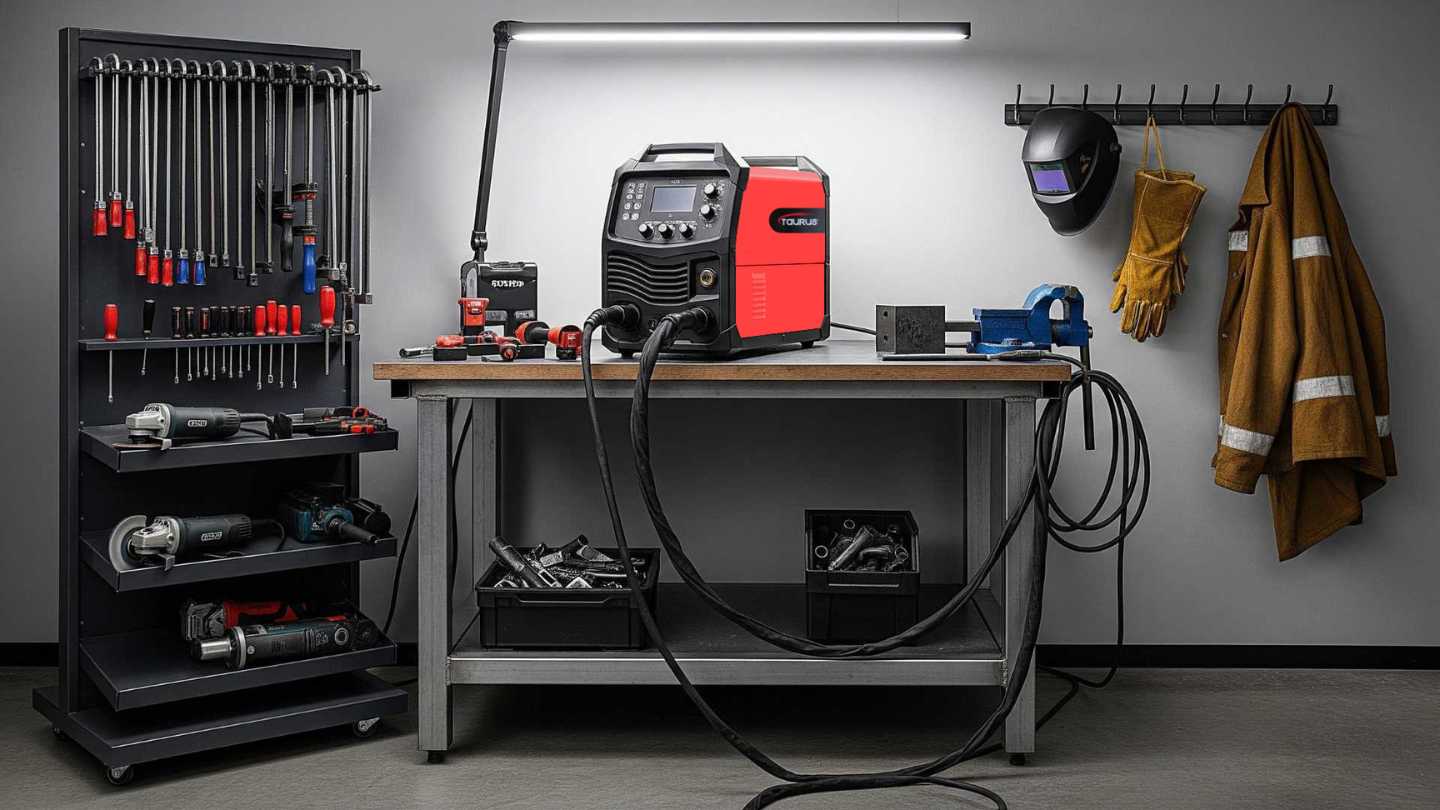
The Power and Durability of Industrial-Grade Welding Machines
Think about a standard welding project versus one on a factory floor. A hobbyist might weld for a few hours a week. A machine in a manufacturing facility, however, might run for eight to ten hours a day, five or even seven days a week. That’s a massive difference in duty cycle and stress.
Industrial-grade machines are built to withstand this kind of continuous, heavy-duty use. They feature more robust internal components, superior cooling systems, and tougher outer casings. This durability translates directly to a longer lifespan and less downtime for repairs. A machine that constantly overheats or breaks down isn’t just an inconvenience; it’s a massive hit to your production schedule and bottom line. You need a workhorse, not a show pony.
The reliability of these machines also ensures consistent performance. When you’re making hundreds or thousands of identical parts, every weld needs to be perfect. Industrial welders maintain a stable arc and consistent power output, preventing the kind of fluctuations that lead to weak or defective welds. This consistency is crucial for quality control and for maintaining your reputation for excellence.
Precision and Versatility for Modern Manufacturing
Modern manufacturing demands more than just strength; it requires finesse. Welding isn’t a one-size-fits-all process. You might need to join thick steel plates one day and thin aluminium sheets the next. Industrial-grade welding machines offer a level of precision and versatility that’s simply unmatched.
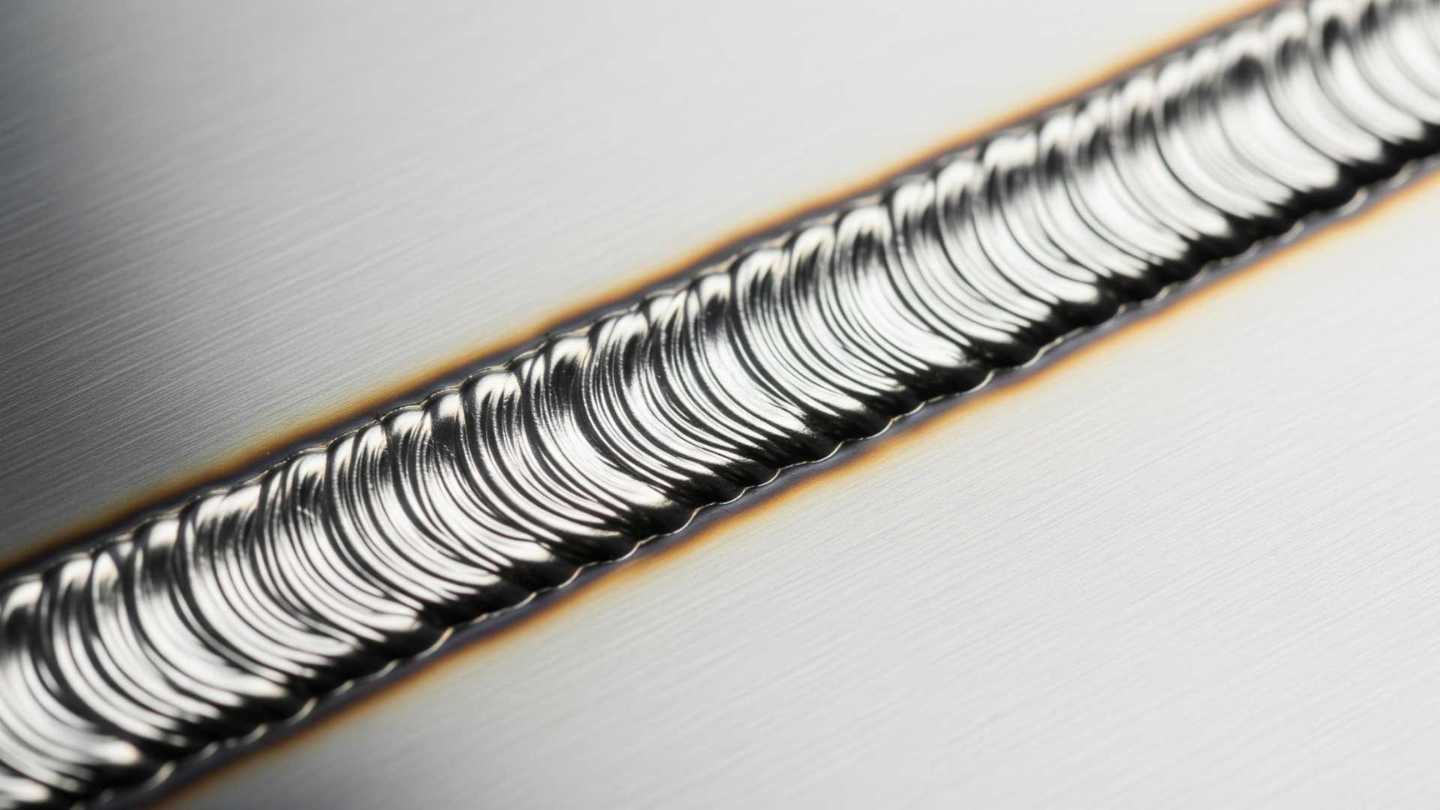
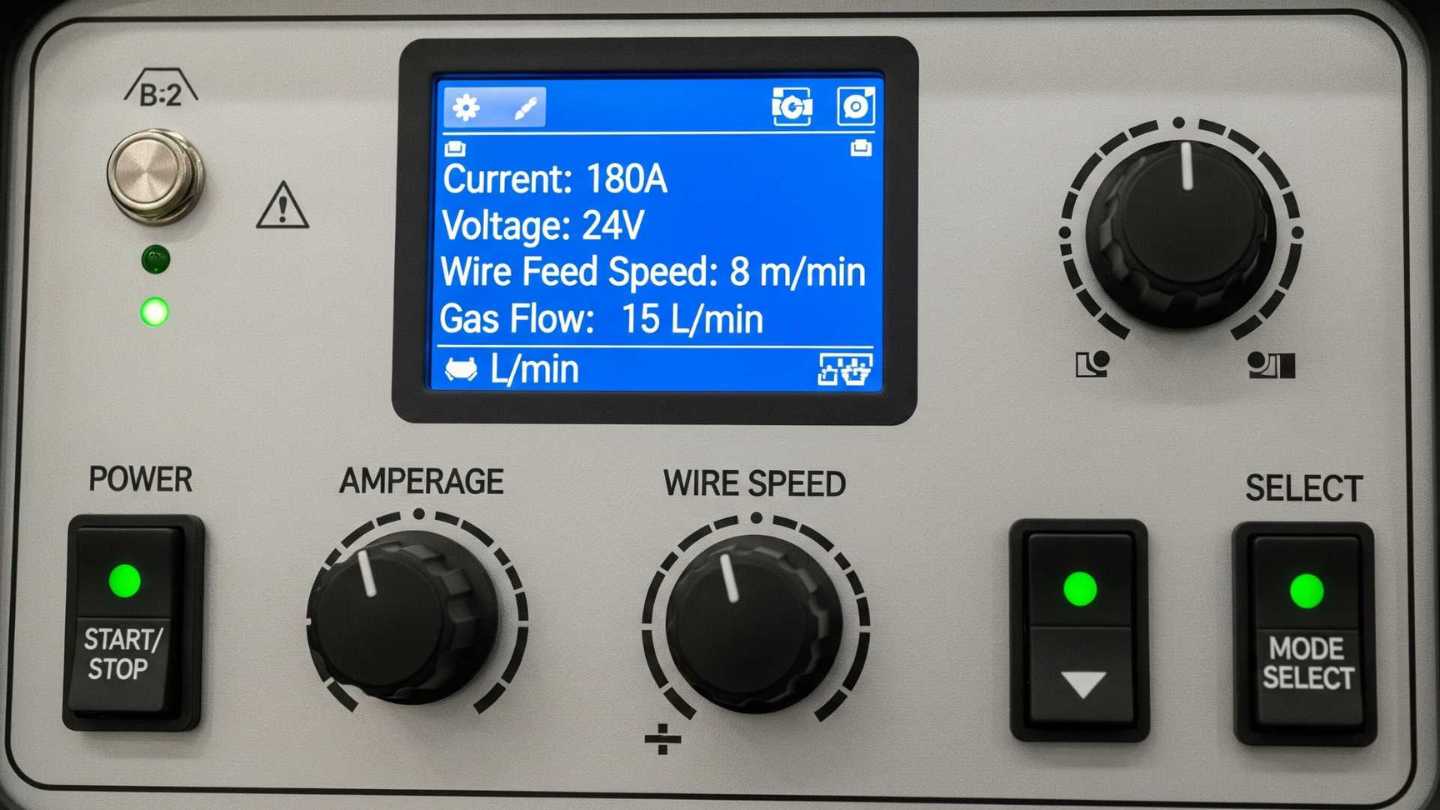
Many of these machines come with advanced features like digital controls, multiple welding processes (MIG, TIG, Stick, etc.) in a single unit, and specialised pulse settings. These features allow operators to fine-tune every parameter, including amperage, voltage, and wire feed speed, to the specific material and joint type. This precision ensures a strong, clean weld with minimal spatter and distortion. For materials like stainless steel and aluminium, where heat input must be carefully managed, this level of control is non-negotiable.
Take a look at the table below, which highlights some of the key differences in machine capabilities.
|
Feature |
Industrial-Grade Welding Machines |
Consumer-Grade Welding Machines |
|
Duty Cycle |
High (e.g., 60% @ 300A) |
Low (e.g., 20% @ 150A) |
|
Durability |
Heavy-duty internal components and casing |
Lighter build, designed for intermittent use |
|
Power Output |
High amperage for thick materials |
Lower amperage, limited to thinner materials |
|
Process Versatility |
Multi-process capable (MIG, TIG, Stick) |
Often single-process machines (e.g., MIG only) |
|
Advanced Features |
Digital controls, pulse settings, waveform control |
Basic controls and limited adjustments |
|
Cooling System |
Integrated fan and often liquid-cooled options |
Simple fan cooling |
|
Cost |
Higher initial investment |
Lower initial cost |
As you can see, the higher initial investment in an industrial machine pays for itself many times over through increased productivity, reduced rework, and a longer operational lifespan. It’s an investment in the quality and efficiency of your entire operation.
Safety and Operator Comfort
While performance is key, safety can never be an afterthought. Industrial-grade welding machines are designed with extensive safety features to protect the operator and the work environment. This includes things like built-in overload protection, ground fault circuit interrupters (GFCIs), and more robust insulation. A safer machine is a better machine, reducing the risk of accidents and protecting your most valuable asset: your people.
Furthermore, these machines often incorporate ergonomic designs and user-friendly interfaces that reduce operator fatigue. This is a critical factor for long production shifts. When a welder is more comfortable and confident in their equipment, they can maintain focus and precision throughout the day, leading to better, more consistent results.
The Right Equipment for the Job
For any serious professional in fabrication or manufacturing, the choice is clear. Relying on equipment that isn’t up to the task is a recipe for disaster. It leads to poor quality welds, constant breakdowns, and production delays that hurt your bottom line. Investing in industrial-grade welding machines from a trusted provider isn’t just about buying a tool; it’s about investing in the future of your business. It’s a commitment to quality, efficiency, and safety.
At Taurus, we understand the rigorous demands of modern manufacturing. We’re committed to providing the durable, high-performance, and precise equipment you need to excel. Our range of industrial-grade welding machines is designed to meet the toughest challenges, ensuring your team has the tools to produce exceptional work every single time.
Ready to upgrade your capabilities and boost your productivity?
Explore our range of industrial-grade welding machines today and find the perfect solution for your manufacturing needs! Or contact us for expert advice.
While selecting the right industrial-grade machinery is the foundation of quality manufacturing, the integrity of your final results depends heavily on the materials you use. Learn more about selecting the right welding consumables to ensure maximum structural integrity and reliable bonds.